
Videographer Resume Example, Skills List, and Template
Secure your dream videographer role in this year with this resume example; follow our tips to showcase your most valuable skills and experience.

Our customers have been hired by:*Foot Note





Resources for Your Next Career Move
- Actor resume
- Animator resume
- Art Teacher resume
- Copywriter resume
- Creative Director resume
- Dance resume
- Fashion Designer resume
- Freelance Writer resume
- Graphic Designer
- Illustrator resume
- Interior Design Resume
- Model Resume
- Music Resume
- Photographer Resume
- Technical Writer Resume
- Theater Resume
- Web Designer Resume
- Writer Resume
Explore our complete resume examples selection for tips and resources tailored to every career path.
Structure of a videographer resume
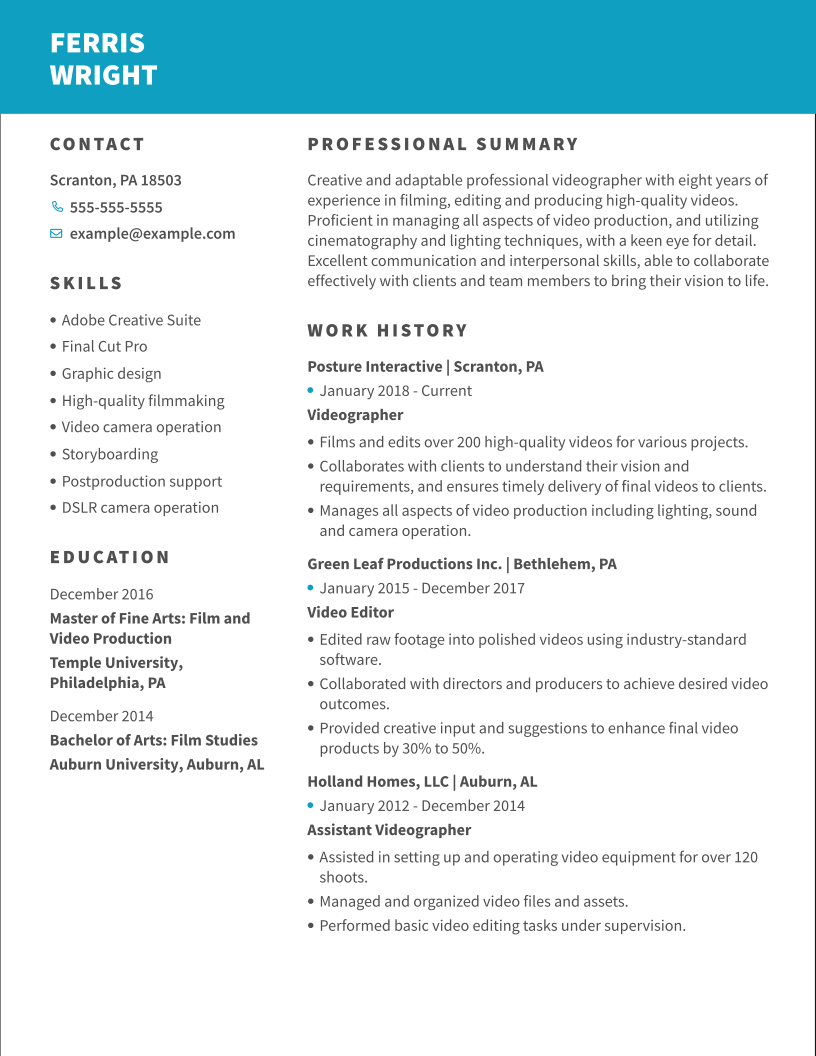
Videographers have an expansive role in shooting all kinds of videos, so their professional resume needs to showcase that they can live up to their position. In the perfect videography resume, you need to highlight the following: Knowledge of video production Editing software Camera operation skills Videographer skills This article will teach you the best elements to include in the perfect videographer resume, including the skills you should highlight and how to showcase your experience.
The structure of your videographer resume will depend on the resume format you choose. There are three different resumes formats:
Chronological resume
The chronological resume format is best for those with more than 10 years of work experience.
Functional resume
The functional resume format focuses on skills, it’s a good choice for those with little to no experience or for candidates with gaps in their work history.
Combination resume
The combination resume format showcases both skills and experience and is best for candidates with five or more years of experience. It is also a great choice for applicants trying to apply to a different position within the same company.
Resume header
The resume header section provides your contact information. In this section, you should include the following:
- Full name
- Email address
- Phone number
- Location (City and State)
If you have an online professional portfolio showing off some of your videography work, you can include a link next to your contact information. You can also include your professional social media links, like your LinkedIn profile..
Resume summary or objective
The resume summary introduces your videography experience and skills to the hiring manager or recruiter. This two to three-sentence paragraph is designed to hook the hiring manager and convince them that you’re the ideal candidate for the role. You can include any exceptional skills that you think the employer values. Alternatively, you can include how much experience you have or unique certifications that demonstrate expertise. If you don’t have many years of experience in videography, you can use a resume objective. While this is similar in length, resume objectives focus on your career intentions instead of experience. You can explain why your career goals, skills and industry knowledge compensates for your lack of experience. You should also explain how the videography role aligns with your career development plans.
Resume skills
Depending on the resume format you choose, the skills section might be the most important part of your resume. Your section should contain a combination of videographer hard skills and soft skills. Hard and technical skills are role-specific and gained through experience, such as Adobe Photoshop and handling camera equipment. Soft skills, like communication or interpersonal skills, are transferable and can be used in any job.
You should take inspiration from the job description to select the key skills for the ideal candidate the recruiter is looking for and include those skills in your resume. In this bullet point list, you will find some videographer skills to consider adding to your resume:
- Adobe Creative Suite
- Video editing
- Final Cut Pro
- Graphic design
- Time management
- Project management
- High-quality filmmaking
- Video camera operation
- Teamwork
- Storyboarding
- Postproduction support
- DSLR camera operation
- Collaboration
- Social media
- Organization
Work history
Depending on the videography role and the resume format, the work history section might be the most important part of your resume. If you have previous experience as a videographer, such as a freelance videographer or a filmmaker, you should list your experience in reverse-chronological order. Under each job title, list your key responsibilities in brief bullet points. You can also include some short key achievements from video shoots if they support your skills section.
Education
You might not need formal qualifications in filmmaking or photography to become a videographer. However, if you have a bachelor’s degree in media, film or photography, you can include this in your education section.
In this section, you should include the following:
- Title of your qualification
- The year you graduated
- Institution name
You can also include specialist certifications, such as a video production certificate. This can show off expert industry knowledge.
Do’s and don’ts for a videographer resume
Here are some do’s and don’ts for a videographer resume:
Do:
- Use a resume template or resume builder to give your resume structure.
- Read the job description and select keywords. This can help you successfully navigate applicant tracking systems (ATS).
- Use a videographer resume sample to inspire your resume. You can also find the best fonts to use in your resume.
Don’t:
- Include your high school GPA in your resume, if it is for an entry-level position and you have a GPA of 3.9 or higher then it can be seen as an accomplishment; if not then it’s not necessary.
- Forget to customize your resume summary and skills section for each application. You can do this by reading the job description and adding key terms you find in your resume.
- Forget to include your previous employer’s details in the experience section.
If you need more tips, have a look at this guide on how to make a resume!
Build my resumeCustomer Reviews You Can Trust
FAQ: Videographer Resumes
Have questions? We’re here to help.
Do I need to include a cover letter for a videographer application?
Yes! Cover letters are a great opportunity to provide more information to the hiring manager. In a cover letter, you can detail your previous cinematography projects and explain your video editing skills at length. This is a good way of catching the hiring manager’s attention and increasing the chances of securing an interview.
How can I write a videographer resume without a lot of experience?
You can still create a great resume if you don’t have much experience. Focus on your transferable skills to compensate for your lack of experience. You should also refer to examples of responsibilities or achievements from your previous roles that demonstrate videography skills, such as a freelance or a volunteer gig. List industry or technical training that allows you to fulfill the role’s primary responsibilities.
How do I change my videographer resume to apply to different jobs?
Successful resumes need to be customized for each role. This is to ensure you include role-specific information that shows you can fulfill the role duties. To do this, thoroughly study the job description. You can also research the employer’s company and identify its core values. You can incorporate this information into sections such as your resume summary. Doing this makes your resume more personal and can increase your chances of securing an interview.
Couldn't find the answer you're looking for?